
Personalized like a
commissioned piece.
We treat every website, service page, and application like a commissioned project. The structure may begin with a strong foundation, but the voice, visuals, flow, and details are shaped around your practice.
These composite examples show how Scout turns real behavioral health needs into digital work that feels thoughtful, useful, and distinctly yours.
What these examples show
The projects below are composite examples that reflect the kind of digital work Scout Content Studio does for behavioral health practices. They are illustrative rather than a public client list, so they show the type of problem, the approach, and the result without exposing any practice’s private details. Use them to get a feel for how Scout thinks about clarity, structure, and the path a visitor takes from first impression to first contact.
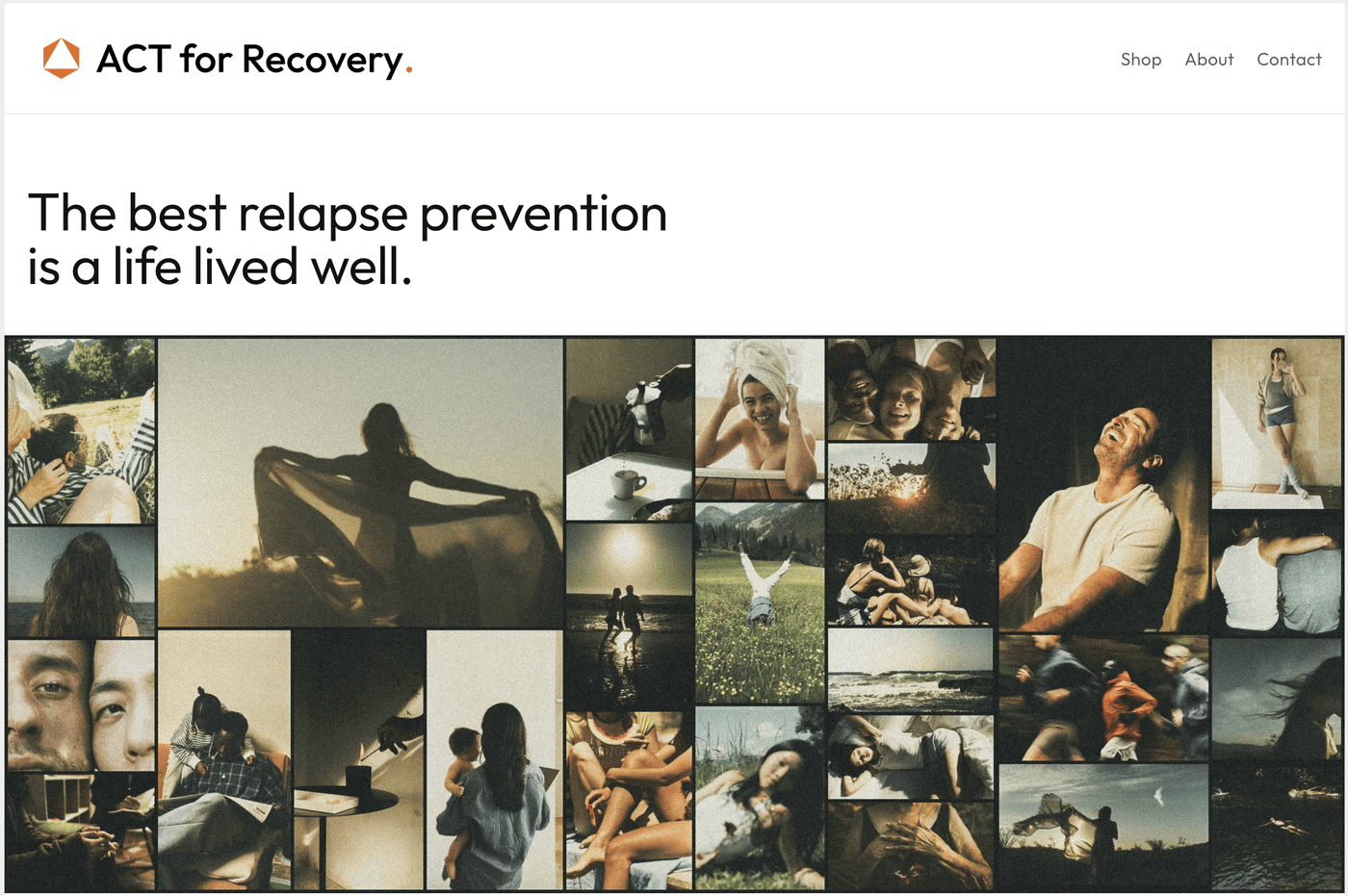
ACT for Recovery
A warm, sun-washed storefront for printable recovery tools: worksheets, guides, and workbooks built on Acceptance and Commitment Therapy by a licensed clinical social worker with long-term recovery of his own. Scout built the site around the brand's central idea, that the best relapse prevention is a life lived well, so a visitor lands in imagery of the life they're working toward and finds the tools that support it one click away.
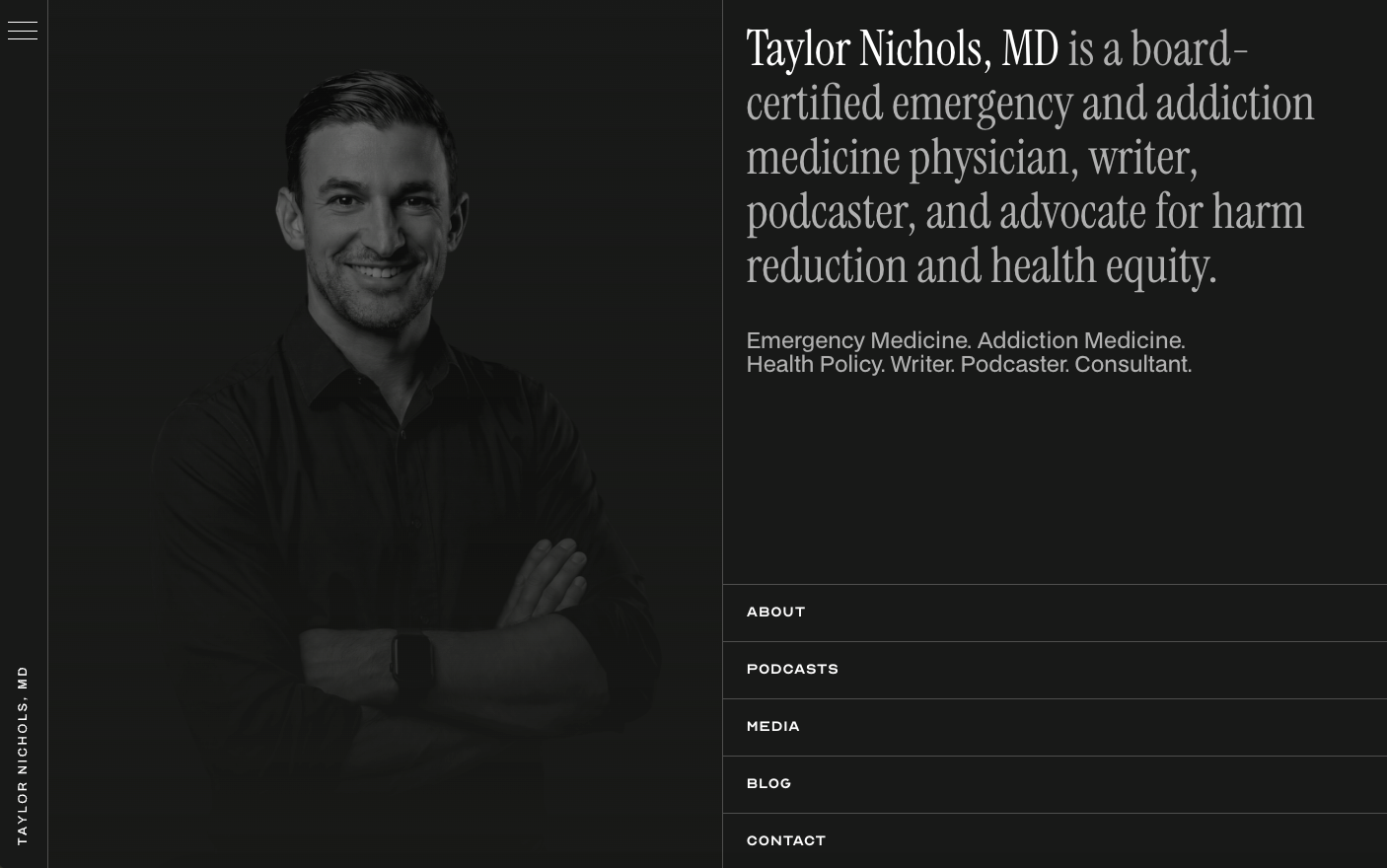
Taylor Nichols, MD
A dark, editorial personal website for a board-certified emergency and addiction medicine physician, podcaster, writer, and advocate for harm reduction and health equity. Scout built the site to bring together his clinical identity, media presence, and public advocacy in one authoritative digital home so visitors immediately understand who he is and how to engage with his work.


Spiral to Anchor
A warm, occupational-therapy-informed website for a high-conflict co-parenting support practice. Scout shaped the messaging, page structure, and intake path so exhausted parents could quickly understand the offer and find the right support.

Affect Regulation Protocol
A calm, focused training site for a trauma therapy model. Scout clarified the core message, structured the model explanation, and built a clear path for clinicians to explore the training and read about the method.


Resolve Therapeutic Services
A grounded website for a specialized outpatient practice focused on trauma, substance use, and co-occurring mental health conditions. Scout sharpened the positioning, organized the treatment information, and built clear paths for new clients and referring clinicians.

La Tortue Counseling and Consulting
A nature-inspired website for a virtual-first counseling and consulting practice grounded in trauma-informed care. Scout built a calm, artistic identity around the practice’s turtle symbolism so the site reads as approachable rather than clinically sterile, then structured it to support a shift toward supervision, consultation, and on-demand education with room to add CEU courses later.
What Scout looks for in behavioral health websites and applications
A good behavioral health website does more than look professional. It helps the right person quickly understand who you help, how you work, and what to do next. When Scout reviews or builds a site, the focus is on clear messaging, a logical page structure, honest and readable copy, accessible design, and an intake path that reduces friction instead of adding it. The same standard applies to applications: they should solve a specific problem and be simple enough to actually use in a busy practice.
How to read these examples
Each example highlights a problem and the practical solution behind it, not a marketing metric. Where you see a “before” and “after,” it shows how structure, messaging, and visual clarity changed, not a guarantee of any particular outcome. Every practice is different, so the goal is to show how Scout approaches the work, not to promise identical results.
The kinds of problems these projects solve
Across these examples, the recurring themes are clarity, trust, follow-through, accessibility, content structure, and ease of use. That can mean rewriting confusing copy, reorganizing pages so information is easy to find, building a calmer and more credible first impression, smoothing the inquiry or referral path, or making sure the site works well on any device. The aim is always useful infrastructure that supports the practice, not louder marketing.
Want something similar?
If one of these examples resembles a problem you are facing, Scout can help you work through it. Send a short, general project note describing what is not working. Please do not include client names, diagnoses, clinical details, or protected health information.
Have a project that looks like one of these?
Send a general note about the problem. Do not include client names, diagnoses, clinical details, or protected health information.